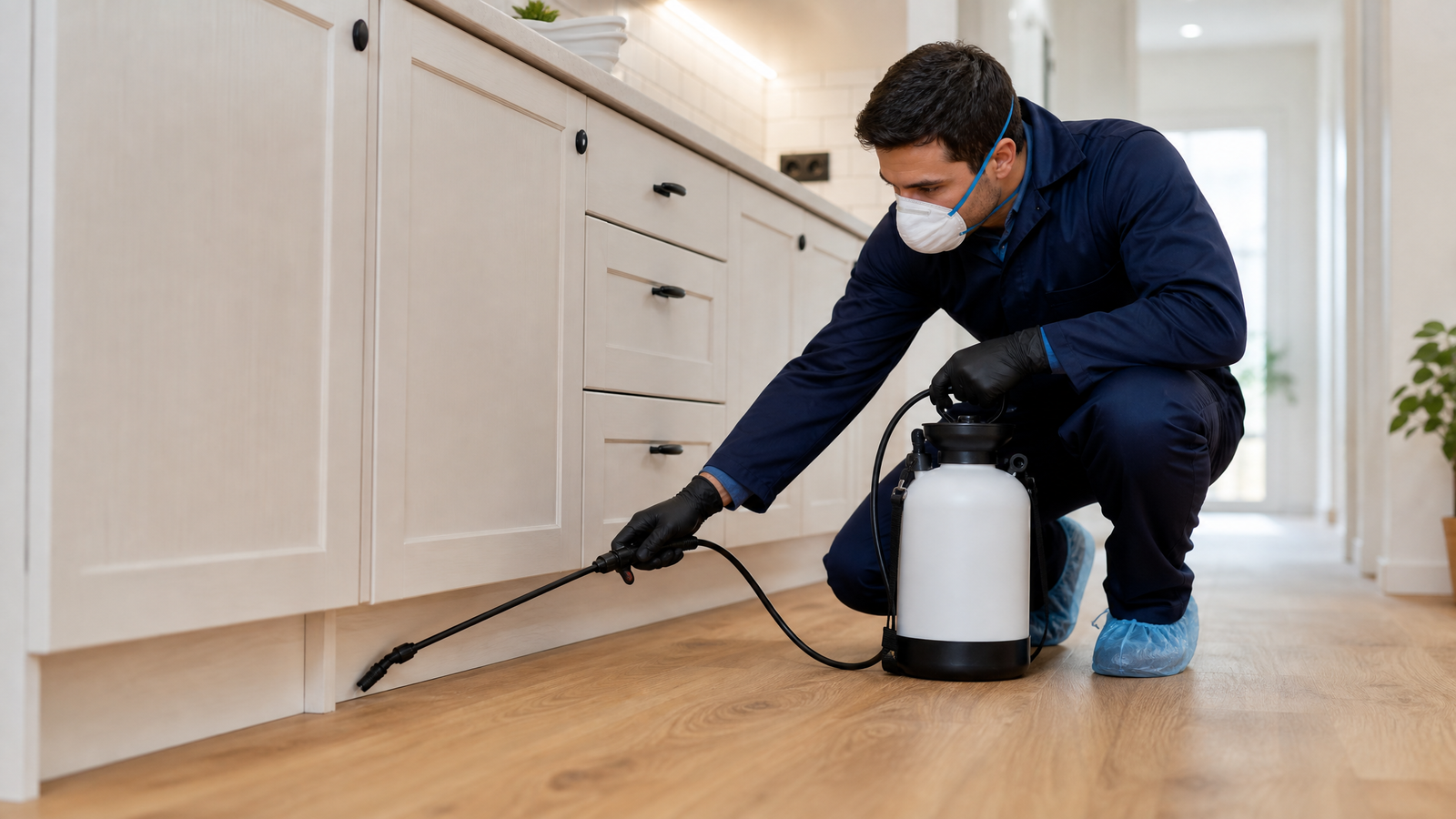
Attic is significant in ensuring that your home is comfortable and energy saving. It contains insulation, air conditioning, electrical and structural parts. Regrettably, attics are also favorable disguises by pests like rodents, insects, and wildlife. The pests that gain access to this space are able to destroy insulation, pollute materials and generate severe structural issues. How to Protect Your Attic and Insulation to keep pests out of your house is a resource designed to help the house owner avoid the expensive costs of repairs and ensure the indoor environment is not damaged.
To prevent the destruction of the attic by pests, it is necessary to combine inspection and seal points of entry with the proper maintenance of the attic.
Why pests target attics
Attics are the best shelters to pests as they are cozy, silent and not bothered a lot. Nesting areas also are comfortable because of insulation materials.
Common attic pests include:
- mice and rats
- squirrels
- raccoons
- bats
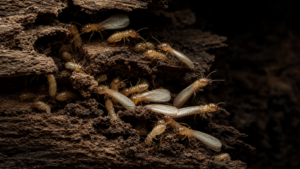
insects, e.g. termites and ants.
When neglected, these pests may end up destroying a lot.
There are indications of pests in your attic
Early warning is useful in avoiding the massive destruction.
Be aware of such warning signs as:
- scratching/scurrying sounds in ceilings.
- wastes or nesting debris.
- damaged insulation
- chewed wires or wood
- unpleasant odors
Such symptoms can reflect on the increase of the attic pest damage.
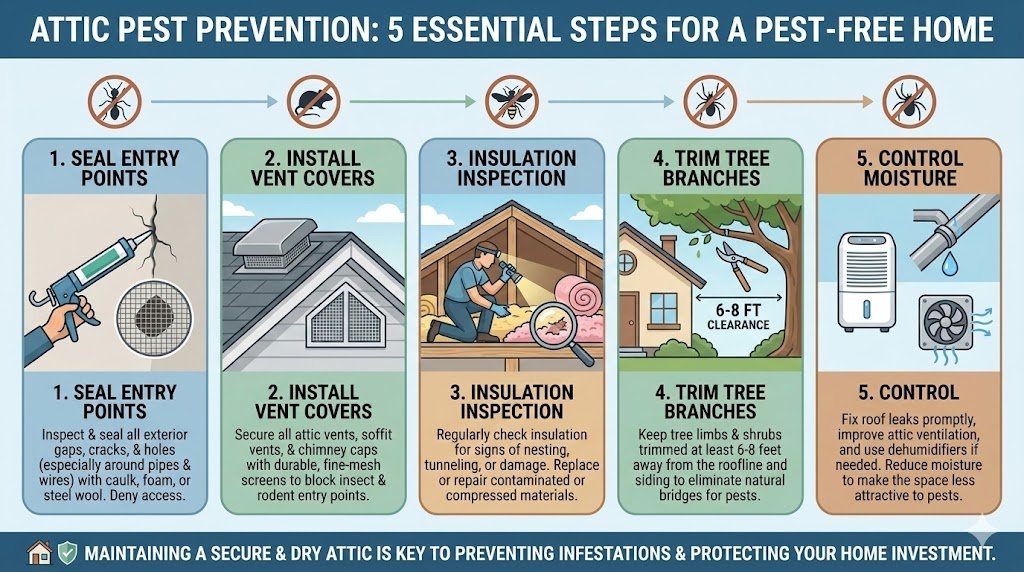
Seal attic entry points
The pests usually find their way inside via small holes in the roof or the exterior walls.
Common entry areas include:
- roof vents
- soffits
- gaps around chimneys
- damaged roof shingles
- attic access panels
Plugging these holes with hard materials will bar the entry of animals.
Installing protective vents covers
Attics need to be ventilated to permit air entry in but might enable entry of pests.
Protective solutions are:
- metal vent covers
- mesh screening
- chimney caps
- reinforced gable vents
Vent protection stops pests and does not block ventilation.
Have a well maintained attic insulation
Laid-in insulation that has been stepped on, gets wet or is contaminated can become ineffective.
Frequent inspections can discover:
- nesting damage
- urine contamination
- flattened insulation
- moisture buildup
The replacement of the damaged insulation will help avoid additional How to Protect Your Attic and Insulation from Pest Damage problems.
Reliable Pest Control & Home Protection by Koalaty Service
Keeping your home or business safe from pests requires professional care and long-term prevention strategies, and Koalaty Service delivers dependable solutions designed for lasting results. Offering residential and commercial pest control, termite prevention, mosquito treatments, wildlife removal, and home sealing services, their experienced team focuses on creating clean, healthy, and pest-free environments. With eco-friendly methods and years of industry expertise, Koalaty Service provides reliable protection tailored to your property’s needs. Learn more about their trusted pest control and home protection services by visiting KoalatyService, your partner for safe and effective pest management solutions.
Attic pest damage risk table
| Pest Type | Common Damage | Risk Level |
| Rodents | Chewed wires, torn insulation | High |
| Squirrels | Structural wood damage | High |
| Raccoons | Insulation destruction | Very high |
| Insects | Wood deterioration | Moderate |
| Bats | Contaminated insulation | Moderate |
Make the attic clean
Pests may be attracted by the stored goods as their hiding places.
Reduce risks by:
- minimizing attic storage
- storing in closed seals of plastic containers.
- removing cardboard boxes
- keeping walkways clear
An attic that is clean does not encourage the presence of pests.
Regulate moisture and humidity
The damp conditions are favourable to rodents and insects.
Prevent moisture buildup by:
- keeping the ventilation appropriate.
- fixing leaks in roofs in a hurry.
- installing vapor barriers
- maintaining attic fans
Moisture controls the damage of pests and growth of molds in the attic.
Cut close trees and branches
The pests use tree branches that reach into the roof as bridges.
It is recommended to take actions that include:
- cutting off branches a few feet off the roof.
- eliminating dead or hanging limbs.
- clearing off plants near siding.
It is also advisable to reduce access points so that animals cannot access your attic.
Inspect attic regularly
Regular checkups are used to identify early issues.
Attics should be inspected by the homeowners at least twice a year and one should look after:
- insulation damage
- droppings
- new holes or entry points
- unusual odors
Handling How to Protect Your Attic and Insulation before Pest Damage is a thing that can be dealt with by frequent checks before the situation goes out of hand.
Use pest deterrents
Less toxic repulsives could also be used to prevent pests.
Common options include:
- ultrasonic pest devices
- natural repellents
- professional pest barriers
Exclusion systems may also be installed by professional pest control services.
Repair roof damage quickly
Broken roof materials provide easy entry by pests.
Important repairs include:
- replacing missing shingles
- sealing flashing gaps
- repairing damaged soffits
- fixing roof vent openings
Maintenance of roofs makes attic areas invulnerable.
Cost comparison: prevention vs damage repair
| Situation | Cost Level | Impact |
| Preventive sealing | Low | Long-term protection |
| Pest removal | Moderate | Temporary solution |
| Insulation replacement | High | Significant repair |
| Structural attic damage | Very high | Major renovation |
Preventive measures are far more affordable than repairing extensive damage.
Advantages of attic insulation protection
The benefits of keeping the attic in good conditions are:
- improved energy efficiency
- lower heating and air conditioning expenses.
- better indoor air quality
- longer roof lifespan
- reduced pest infestations
The effective safeguard facilitates the general home performance.
Final thought
Attic areas are prone to pest attacks and with preventive measures in place, the chances of pest attacks can be mitigated significantly. Homeowner can prevent attics being infested by rodents and wildlife by sealing entry points, insulation, moisture management, and inspections. Preventive maintenance is also effective in preserving insulation efficiency as well as in providing a healthier and safer home environment.