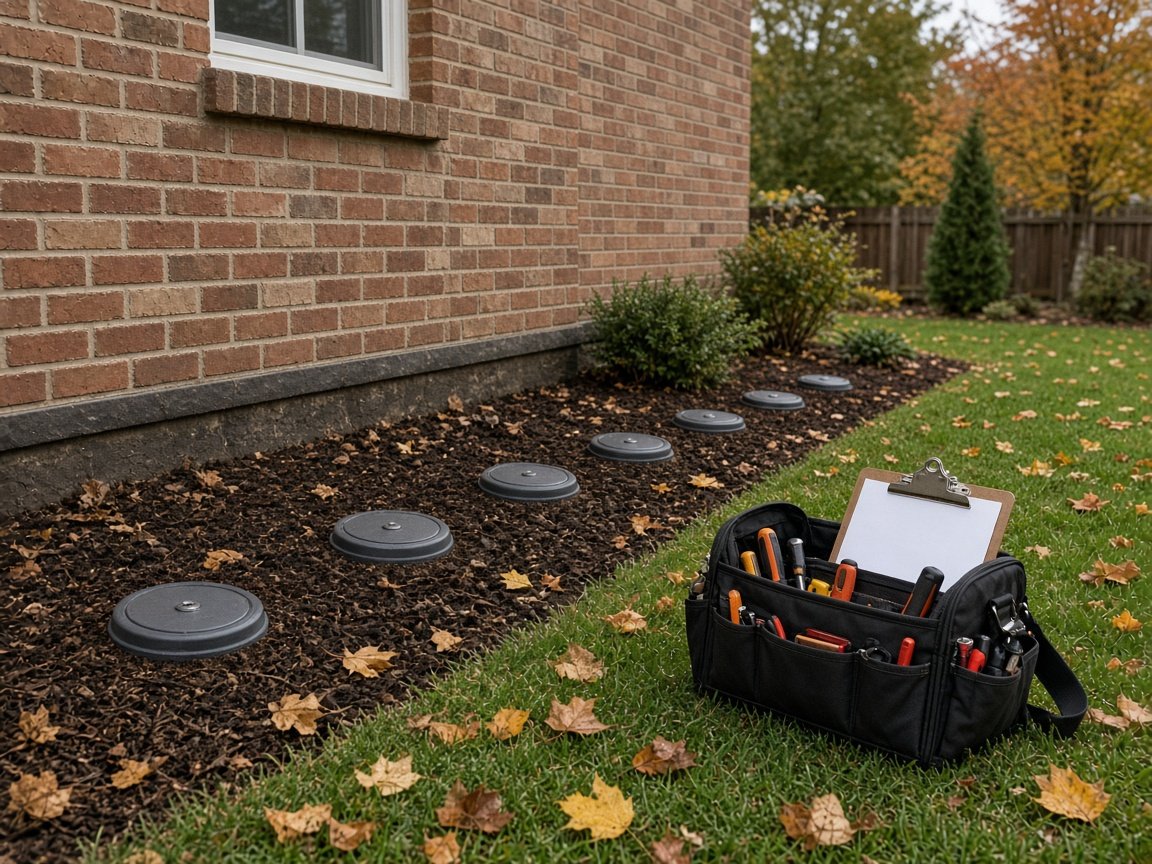
Oklahoma sits squarely inside brown recluse territory. These shy spiders live comfortably indoors, especially in quiet, cluttered places that people rarely disturb. Fall and winter are when many Edmond and Oklahoma City homeowners run into them, usually while pulling out holiday decorations, winter clothes or boxes from the garage. Here is how to recognize a brown recluse, where they hide, how to lower the chance of contact and when it makes sense to bring in a professional.
How to recognize a brown recluse
Brown recluses are light to medium brown spiders. The body is roughly the size of a pencil eraser, and with legs extended the spider is about the size of a quarter. Look for these features:
- A darker, violin-shaped mark on the front part of the body, with the neck of the violin pointing toward the rear. The mark is not always easy to see, and many harmless spiders have similar markings.
- Six eyes arranged in three pairs, instead of the eight eyes most spiders have. This is one of the most reliable features, but it is hard to see without magnification.
- Uniformly colored legs, without bands or stripes.
- A plain abdomen with no pattern.
Many common house spiders get mistaken for recluses. If you are unsure, trap the spider in a sealed jar or zip bag and have a professional identify it before you decide what to do.
Why you see more of them in fall and winter
Brown recluses are active year round indoors, but colder weather changes how people use their homes. Storage closets get opened, attic boxes come down, and clothing that has been sitting for months gets worn again. That is when spiders that have been living quietly in those areas are most likely to be disturbed.
Where brown recluses hide
Brown recluses avoid light and activity. In a typical Oklahoma home they hide in:
- Closets, especially ones with boxes and clothing on the floor
- Attics, crawl spaces and storage rooms
- Garages, sheds and shop areas
- Behind furniture, baseboards and under beds
- Inside shoes, gloves and clothing left on the floor
- Cardboard boxes, which give them both cover and something to crawl into
- Stacks of firewood, lumber and yard clutter close to the house
How to reduce your risk at home
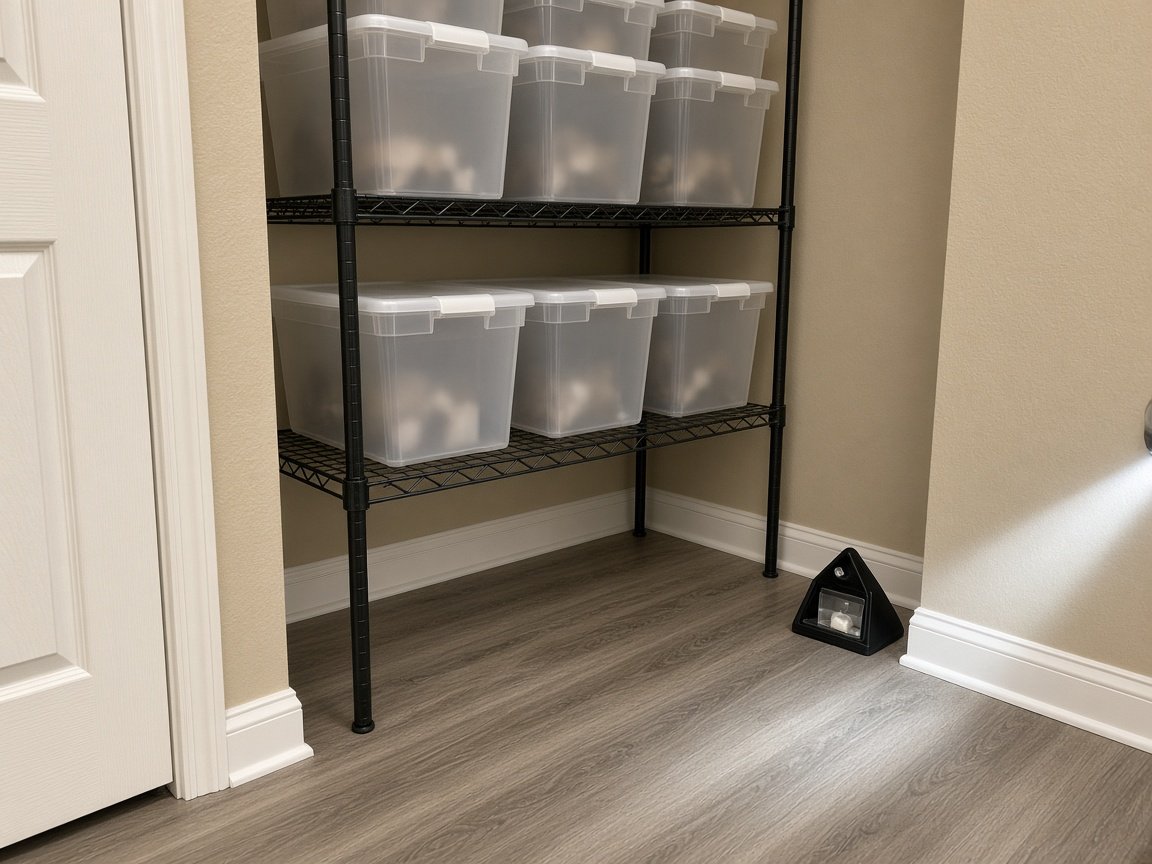
Store items in sealed plastic bins instead of cardboard boxes, and tape any gaps around the lids.
Keep clothing, shoes and bedding off the floor. Shake out items that have been in storage before you wear or use them.
Pull beds slightly away from walls and keep bed skirts and blankets from touching the floor.
Wear gloves when sorting through storage, moving boxes in the garage or handling firewood.
Declutter. Fewer hiding spots means fewer places for spiders to live and fewer surprise encounters.
Seal gaps. Caulk cracks around baseboards, trim and pipe penetrations, and keep weatherstripping on doors in good shape.
Use glue monitors along baseboards in closets, storage rooms and garages. They catch wandering spiders and show you where activity is concentrated.
Why store-bought sprays fall short
Brown recluses are hard to control because they spend most of their time in wall voids, under insulation and in undisturbed storage, and they can go long periods without feeding. A spray that only touches the open floor usually misses them. Effective control combines a careful inspection, targeted treatment in the places spiders actually live, exclusion to reduce entry and hiding spots, and monitoring over several visits to confirm the population is dropping.
What a professional spider treatment looks like
A good spider service starts with an inspection of closets, attics, garages and the exterior to find where activity is concentrated. Treatment is then focused on those areas, along with the cracks and voids spiders use to travel. Glue monitors are placed so progress can be measured, and follow-up visits are scheduled because recluse problems are rarely solved in a single trip. Your technician should also point out clutter, gaps and moisture problems you can fix to make the home less inviting.
When to call a professional
Call for help if you are finding spiders regularly, if you see them in bedrooms or living areas, or if you have young children or older family members in the home. If anyone is bitten and the area becomes painful, changes color or gets worse over a day or two, see a doctor and, if you can, bring the spider with you for identification.
Frequently asked questions
Are brown recluse spiders aggressive?
No. They are shy and usually bite only when pressed against skin, for example when someone puts on a shoe, glove or shirt the spider is hiding in.
Can you get rid of brown recluses completely?
Decluttering, sealing, targeted treatment and monitoring together can greatly reduce them. Homes with heavy populations usually need several visits.
Do glue traps help?
Yes. Glue monitors along baseboards catch spiders and show a technician where activity is concentrated, which makes treatment more effective.
Are brown recluses common in Edmond and Oklahoma City?
Yes. Oklahoma is within the brown recluse's native range, and they are a common household spider across the OKC metro.
Spider control from Koalaty
Koalaty Pest Control is a veteran-led, family-operated company serving Edmond, Oklahoma City and the surrounding metro. Our residential pest control service includes inspection, targeted treatment and follow-up. You can also read our earlier post on spider control in Oklahoma City, or request a free quote. Call (405) 543-3338 to schedule service.